
Some smiles cannot be fixed one tooth at a time. Years of grinding have flattened the edges. Old crowns and fillings are failing at different rates. The bite has collapsed enough that the jaw works overtime just to chew. If that sounds familiar, what you need is not a veneer or a crown — it is a plan for the whole mouth. That is full-mouth rehabilitation, and it is one of the most meaningful things we do at Spring Hope Family Dentistry.
What Full-Mouth Rehabilitation Is
Full-mouth rehabilitation (you will also hear “full-mouth reconstruction”) means rebuilding the way your teeth look and the way they work together — restoring worn, broken, or missing teeth in a coordinated plan rather than patching problems one by one. Depending on your mouth, the plan may combine crowns, veneers, dental implants, gum therapy, and bite correction.
The difference between rehabilitation and patchwork is the order of operations. Patchwork fixes the tooth that broke this year, then the one that breaks next year, forever. Rehabilitation asks why teeth keep wearing and breaking, fixes that foundation, and then rebuilds on top of it — which is why done right, it is the last big dental project most patients ever need.
A Real Full-Mouth Rehabilitation From Our Office
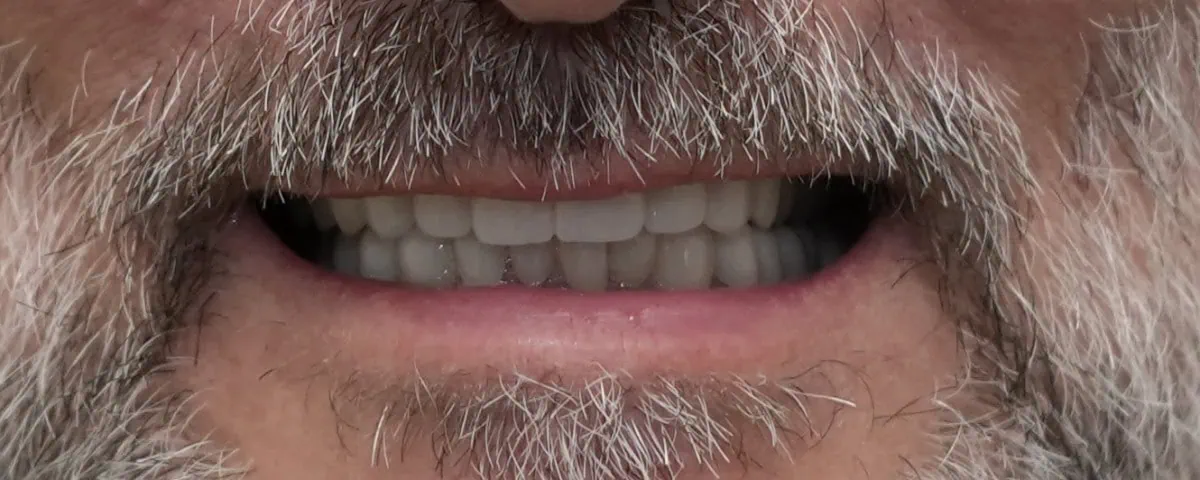
Drag the slider to compare. Full-mouth rehabilitation with crowns and bridges, shown about two years after treatment. Actual patient of Spring Hope Family Dentistry. Individual results may vary.
Why The Bite Comes First: The Kois Approach
Dr. Abboud plans full-mouth cases using the system he trained in at the Kois Center in Seattle — one of the most respected postgraduate programs in dentistry, built around a simple idea: diagnose the cause before touching a single tooth. Kois-trained dentists work through a structured risk assessment of your gums, your teeth, your bite forces, and your esthetics, so the plan is engineered rather than improvised.
Here is why that matters in plain terms. If your teeth wore down because of how your jaw closes, rebuilding them in the same collision course means the new teeth wear down too. Find the stable bite first, and the new teeth are built to survive.
The Kois Deprogrammer: Finding Your True Bite
One of the most useful tools in that system is the Kois deprogrammer — a small, simple appliance worn over the front teeth for a short period before we finalize your plan. Your chewing muscles have spent years memorizing a “programmed” path that works around worn and shifted teeth. The deprogrammer interrupts that memory, letting the muscles relax and the jaw settle into its genuinely comfortable position.
Once the jaw is deprogrammed, we can measure where your bite wants to be rather than where your old teeth have been forcing it. That position becomes the foundation for the whole rehabilitation — every crown, veneer, and implant is designed to meet in a bite your muscles and joints are actually happy in. It is a short, painless step that removes an enormous amount of guesswork.
What The Process Looks Like Here
1. Records and diagnosis. Photos, digital scans, X-rays, and a structured Kois-style risk assessment of gums, teeth, bite, and esthetics.
2. Deprogramming and bite analysis. Where the bite is part of the problem, the Kois deprogrammer finds your stable jaw position before anything is built.
3. Design. Your new smile and bite are designed digitally. You can even wear a 3D-printed preview of the visible part home first with our $300 smile trial, credited toward treatment.
4. Phased treatment. Almost no one does everything at once. We sequence the plan — foundation first, then rebuilding — often over months, using our in-house 3D printing for interim restorations so you are never without a working, presentable smile.
5. Protection. A nightguard and a maintenance schedule protect the investment for the long haul.
The Same Rehabilitation, Up Close


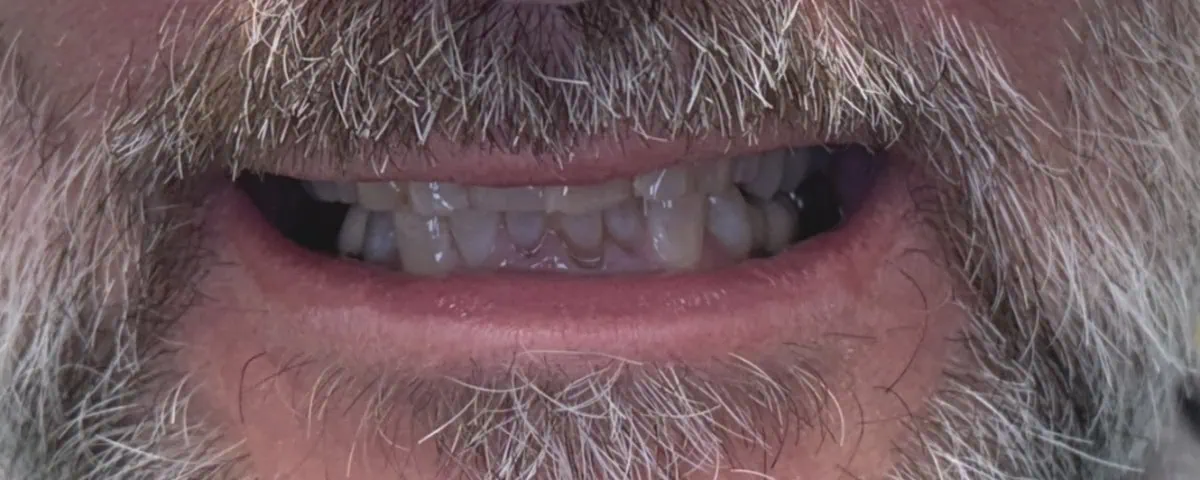
Drag the slider to compare. Full-mouth rehabilitation with crowns and bridges, retracted view, shown about two years after treatment. Actual patient of Spring Hope Family Dentistry. Individual results may vary.
Who This Is For
Patients we help with full-mouth rehabilitation usually recognize themselves in one of these: teeth visibly shorter than they used to be; edges that chip repeatedly; a mouthful of old dentistry failing in stages; acid or reflux wear; jaw fatigue, tension, or a bite that never feels settled; or several missing teeth alongside worn ones. If a single tooth is your only concern, you likely need a crown or veneer, not a rehabilitation — and we will tell you so.
What It Costs
Every rehabilitation is a custom engineering project, so there is no honest single price to publish. What we do promise: a written, phased plan with exact numbers before anything starts, the same published pricing we use for each component (see veneers and implants), 20% off for VIP Membership Plan members, and financing through Cherry, Sunbit, and CareCredit. Phasing also spreads the investment naturally.
Dr. Abboud’s Take
Full-mouth rehabilitation is the biggest thing we do, and it’s why I trained at the Kois Center, which exists to study exactly these cases. When every tooth is worn down, the wear had a cause, and new teeth in the same bite wear down the same way. That’s paying twice.
So we study your case fully and build around where your jaw actually wants to be: a bite that stops destroying itself, done once. If your teeth keep getting shorter, come in while there’s more tooth to work with.
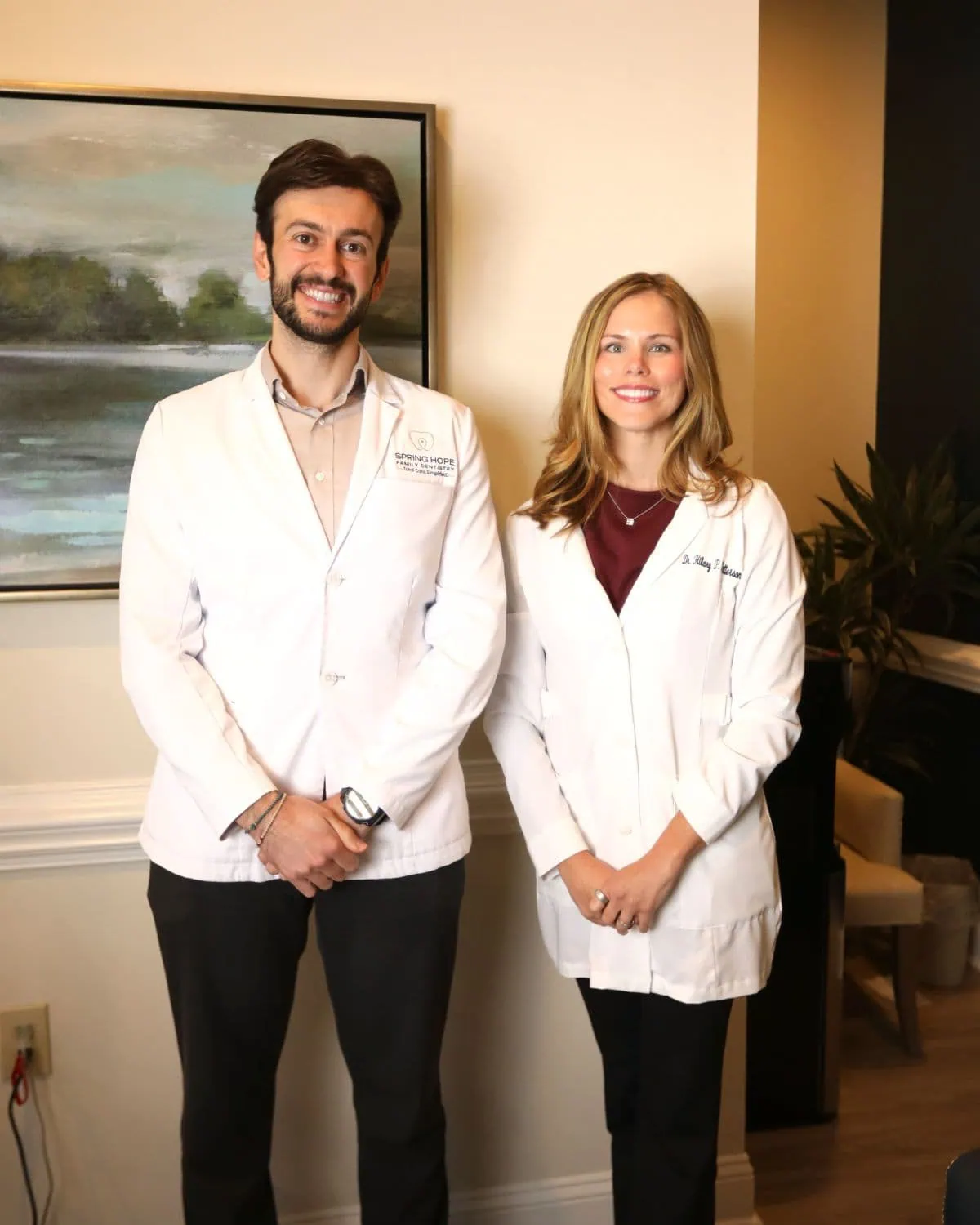
Elie Abboud, DDS
Frequently Asked Questions
What is a Kois deprogrammer and does it hurt?
It is a small acrylic appliance worn over the front teeth that lets your jaw muscles relax out of their old habits so we can find your true, comfortable bite. It is painless, and most patients adapt to it within a day or two.
What does Kois-trained mean?
The Kois Center in Seattle is a rigorous postgraduate program that teaches a structured, evidence-based system for diagnosing and rebuilding complex mouths. Dr. Abboud applies that system to every full-mouth case at our Spring Hope office.
How long does full-mouth rehabilitation take?
It depends on the plan — some cases finish in a few months, larger phased plans take longer. You will know the sequence and timeline before we start, and you will have a working smile at every stage.
Is it all done in one office?
Yes. Exams, scans, surgery, implants, veneers, crowns, and 3D printing all happen here in Spring Hope, which keeps the plan coordinated and the cost lower than bouncing between specialists.
Does insurance cover any of it?
Parts often qualify — crowns on broken teeth, extractions, some implant components — while purely cosmetic elements usually do not. We verify your benefits and show you exactly what applies, per phase.
Rebuild It Once. Rebuild It Right.
Call or text (252) 478-3422 for a consultation with Dr. Abboud. Bring your history, your worries, and every quote you have collected — second opinions are free. We serve Spring Hope, Rocky Mount, Nashville, Wilson, and all of Nash County.
Ready When You Are
Reserve online in under a minute, and we file your insurance for you.